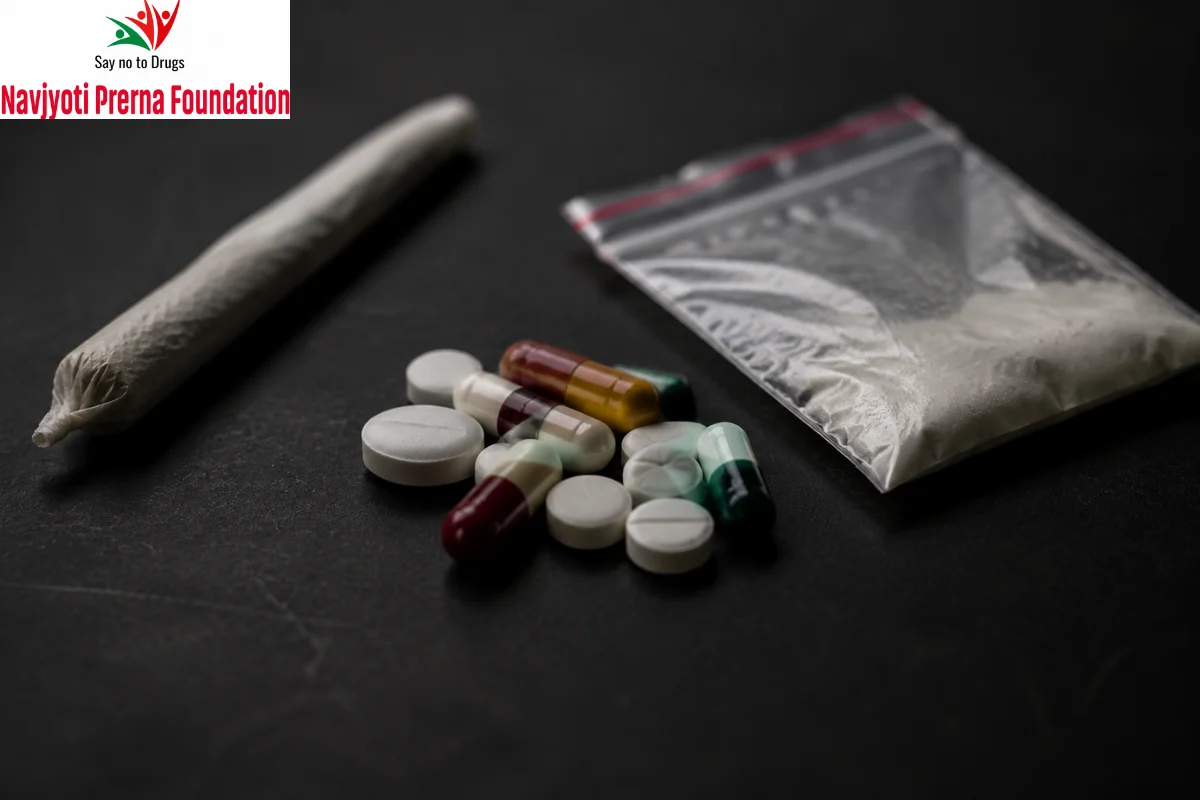
Drug addiction among young people is becoming an important concern for families and communities across India. What may begin as curiosity, experimentation, peer pressure, or an attempt to deal with stress can gradually develop into repeated substance use and dependency.
The issue has received renewed national attention with the Nasha Mukt Yuva for Viksit Bharat Sankalp Abhiyan 2026, a 100-week nationwide movement focused on encouraging young people to stay away from substance abuse and participate in building a drug-free society. The campaign was launched on 2 August 2026, with more than one crore young people connected from over 28,000 locations.
Drug addiction can affect physical health, mental well-being, education, career, relationships, and financial stability. Early awareness and timely professional support can therefore make an important difference.
For families in Noida looking for professional addiction treatment, choosing a reliable Nasha Mukti Kendra in Noida can provide access to structured rehabilitation, counselling, recovery guidance, and family support.
Why Is Drug Addiction Increasingly Concerning Among Young People?
Young people can encounter substances through different social and environmental factors. Peer pressure, curiosity, emotional difficulties, academic pressure, stress, social environments, and exposure to substance use can all contribute to experimentation.
The problem becomes more serious when occasional use turns into repeated use.
Some young people may initially believe that they can stop whenever they want. However, continued substance use can gradually affect behaviour, decision-making, relationships, and everyday responsibilities.
This is why prevention and early intervention are important parts of addressing substance abuse.
Common Reasons Why Young People Start Using Drugs
There is no single reason behind addiction. Different individuals may have different experiences and risk factors.
Some common reasons include:
- Peer pressure and the desire to fit in
- Curiosity and experimentation
- Academic or career-related stress
- Family conflicts
- Emotional difficulties
- Social isolation
- Trying to cope with stress or difficult emotions
- Influence of friends or social groups
- Exposure to substance use
- Lack of awareness about the consequences of addiction
Understanding the reason behind substance use can help families and professionals develop a more appropriate recovery approach.
Warning Signs of Drug Addiction in Young People
Parents and family members may sometimes notice changes in a young person's behaviour before the individual openly discusses substance use.
Possible warning signs include:
- Sudden changes in behaviour or personality
- Frequent mood swings or irritability
- Declining academic or work performance
- Missing classes or work regularly
- Withdrawal from family members
- Changes in friendship groups
- Secretive behaviour
- Changes in sleeping or eating patterns
- Loss of interest in hobbies and activities
- Unexplained financial problems
- Neglect of personal responsibilities
- Repeated attempts to stop using substances without success
One sign alone does not necessarily indicate addiction. However, several changes occurring together may be a reason to seek professional guidance.
How Drug Addiction Can Affect a Young Person's Future
Drug addiction can extend beyond physical health. It can influence almost every area of daily life.
- Physical Health: Long-term substance use may negatively affect the body and can contribute to serious health complications depending on the substance and pattern of use.
- Mental and Emotional Well-Being: Substance use may be associated with anxiety, depression, emotional instability, impaired judgement, and other psychological difficulties.
- Education and Career: Frequent substance use can affect concentration, attendance, productivity, academic performance, and professional development.
- Family Relationships: Addiction can create conflicts, communication problems, financial stress, and loss of trust between family members.
- Social Life: A person struggling with addiction may gradually withdraw from positive relationships and activities and become increasingly focused on obtaining or using substances. Early support can help prevent these problems from becoming more severe.
Why Early Addiction Treatment Matters
Many families wait for the individual to stop using drugs independently. Unfortunately, repeated attempts to quit may not always be successful.
Early professional intervention can help an individual understand their substance use and identify appropriate recovery options.
A structured rehabilitation programme may include assessment, counselling, behavioural support, family involvement, recovery planning, and aftercare.
For families searching for a Nasha Mukti Kendra in Noida it is important to select a centre that understands the individual's specific needs rather than following exactly the same approach for everyone.
How to Choose the Right Nasha Mukti Kendra in Noida
Choosing a rehabilitation centre is an important decision. Families should consider the treatment approach, professional support, facilities, recovery planning, and aftercare services before making a decision.
Here are some factors to consider:
- Check the Treatment Approach: Understand whether the centre provides a structured recovery programme and whether treatment is planned according to the individual's needs.
- Ask About Counselling: Counselling can help individuals understand addiction triggers, behavioural patterns, emotional difficulties, and healthier coping strategies.
- Understand Detoxification Support: For people with significant substance dependence, withdrawal can sometimes involve serious symptoms. Ask how detoxification and withdrawal-related concerns are managed and whether appropriate medical supervision is available when required.
- Consider Family Involvement: Family support can be an important part of recovery. Ask whether the rehabilitation programme provides family counselling or guidance.
- Ask About Aftercare: Recovery does not necessarily end when residential treatment finishes. Find out whether the centre provides guidance for maintaining recovery and preventing relapse.
- Holistic Therapies: Many rehabilitation centers also include complementary wellness programs such as:
- Visit the Centre When Possible: A personal visit can help families understand the environment, facilities, treatment approach, and overall suitability of the centre.
How a Nasha Mukti Kendra in Noida Can Support Recovery
A professional rehabilitation centre can provide a structured environment where individuals can focus on recovery.
Depending on individual needs, addiction treatment may involve:
- Initial assessment
- Detoxification and withdrawal management when clinically appropriate
- Individual counselling
- Group therapy
- Family counselling
- Behavioural support
- Relapse-prevention planning
- Aftercare guidance
The objective is not simply to stop substance use for a short period. Long-term recovery involves developing healthier routines, understanding triggers, improving coping skills, rebuilding relationships, and preparing for life after treatment.


Role of Family Support in Addiction Recovery
Families can play an important role in helping young people seek treatment.
Instead of immediately responding with anger or blame, family members can encourage an open and supportive conversation.
Helpful steps may include:
- Listening without unnecessary judgement
- Encouraging professional help
- Learning about addiction and recovery
- Supporting participation in treatment
- Maintaining healthy boundaries
- Encouraging healthy daily routines
- Recognising possible relapse warning signs
- Staying involved in the recovery process when appropriate
Family members should also remember that supporting someone does not mean ignoring harmful behaviour or taking complete responsibility for the person's recovery.
Nasha Mukt Yuva 2026 and the Importance of Youth Awareness
The current Nasha Mukt Yuva for Viksit Bharat movement highlights the importance of involving young people in preventing substance abuse.
The nationwide campaign includes youth participation, awareness activities, sports, cultural programmes, discussions, community engagement, and other activities designed to encourage healthier lifestyles and drug-free communities.
This wider focus on youth awareness is important because prevention can begin before substance experimentation becomes dependency.
Schools, colleges, parents, youth organisations, healthcare professionals, and communities all have a role to play in creating an environment where young people can openly discuss stress, peer pressure, mental well-being, and substance-related concerns.
Why Choose Navjyoti Prerna for Addiction Recovery?
Navjyoti Prerna focuses on providing structured rehabilitation and recovery support for individuals struggling with addiction.
The approach is designed around the individual's recovery needs and may include counselling, rehabilitation support, family involvement, healthy routines, and relapse-prevention guidance.
The goal is to help individuals move away from addictive patterns and work towards a healthier and more stable lifestyle.
For families searching for a Nasha Mukti Kendra in Noida professional guidance can help them understand the available treatment and recovery options before making an informed decision.
Take the First Step Towards Recovery
Drug addiction does not have to determine a young person's future.
Recognising the warning signs, starting an honest conversation, and seeking professional guidance at the right time can be important steps towards recovery.
The growing national focus on a drug-free youth also reminds families that prevention, awareness, treatment, rehabilitation, and continued support all have an important role in addressing substance abuse. The Government's Nasha Mukt Bharat initiatives have also expanded awareness, treatment, rehabilitation, aftercare, and community participation across the country.
If you or someone in your family is struggling with drug or alcohol addiction, connect with Navjyoti Prerna to understand the available recovery and rehabilitation support.

