Navjyoti Prerna Foundation is a trusted Nasha Mukti Kendra in Ghaziabad, providing safe detoxification, effective drug rehabilitation, and comprehensive mental health recovery programs. Our experienced team is dedicated to helping individuals overcome addiction and rebuild a healthy, fulfilling life.


24 Hrs Available Helpline “our support is just a click away”
Navjyoti Prerna Foundation is a leading Nasha Mukti Kendra providing medically supervised detox, Counseling and long-term rehabilitation to help individuals and families reclaim healthy, drugfree lives
Only publish an affiliation if you actually hold the certificate/recognition — otherwise keep these as suggested affiliation types to pursue.
Statutory body under Ministry of Social Justice & Empowerment / NAPDDR

Listed with the State Drug De-addiction / State Mental Health Authority (SMHA)
Listed with the State Drug De-addiction / State Mental Health Authority (SMHA)
At Navjyoti Prerna Foundation, we understand that the traditional image of a rehabilitation center can feel unsettling or grim.
Our mission is to change that perception completely. We have designed a healing environment that is safe, comfortable, modern, and emotionally uplifting—because your recovery depends on how supported and relaxed you feel throughout the process
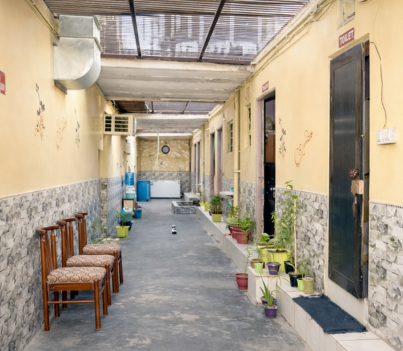
Our campus provides rehabilitation standards, combining clinical excellence with hospitality level comfort. Every detail—from living spaces to recreational areas—has been thoughtfully created to support mental well-being, reduce stress, and inspire a positive outlook.



Head Office: A-51 Krishna Vatika Kuti, Near Pani ki Tanki, Bhopura Ghaziabad (U.P)

H.NO: 883 Shakti Vihar, Meethapur School Road, Badarpur New Delhi 110044 Near Sonu Juice Wala

SK-17, Sector 112, Noida
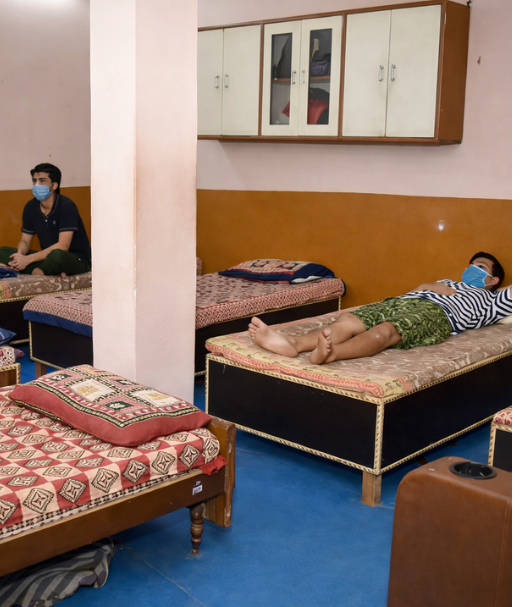
Comfortable and well-maintained rooms designed to provide a peaceful environment for patients during their recovery journey.
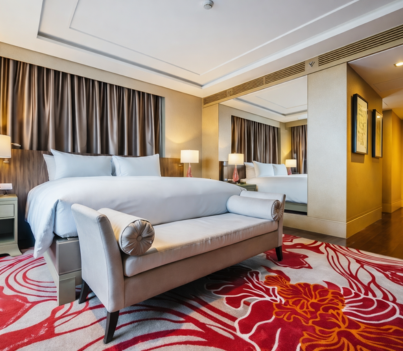
Spacious deluxe rooms with enhanced facilities to ensure comfort, privacy, and a supportive atmosphere for healing.
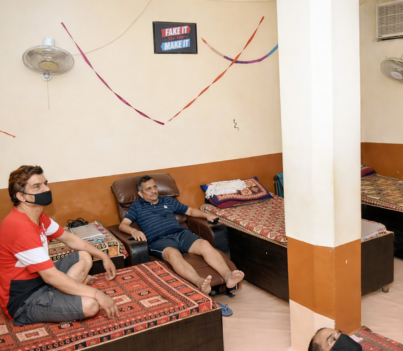
A shared space where patients can relax, participate in group activities, counseling sessions, and recreational programs.
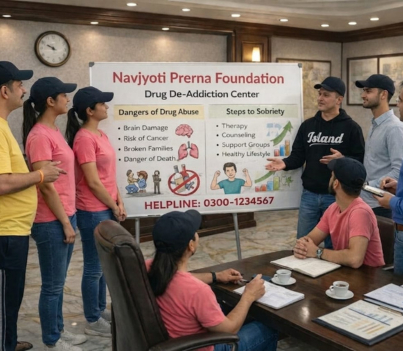
Our trained and compassionate staff provide 24/7 support, guidance, and care to help patients achieve successful recovery.

We monitor patients’ progress under supervision, ensuring safety and effective treatment throughout the rehabilitation process.

Convenient laundry services are available to maintain hygiene and provide comfort for patients during their stay.
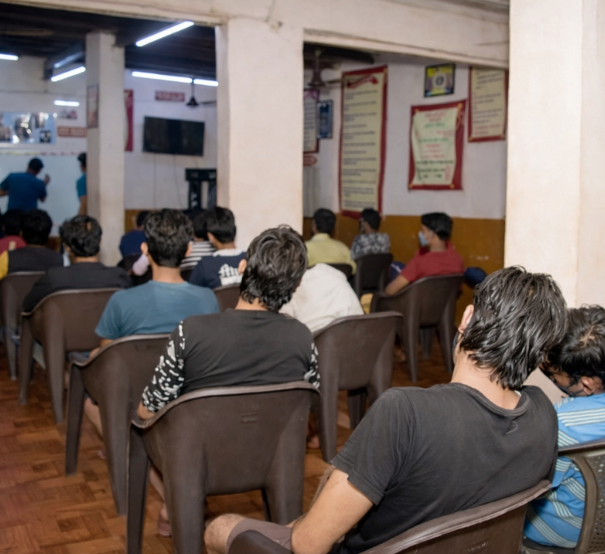
At Navjyoti Prerna Foundation, we are committed to transforming the rehabilitation experience. By offering best-in-class amenities, compassionate care, and a positive atmosphere, we strive to replace the outdated image of rehab with a model of dignity, comfort, and true healing.

From medically supervised detox to aftercare and relapse prevention, we provide end-to-end support.

We treat both addiction & co-occurring mental health conditions such as anxiety, depression, or PTSD, ensuring a more complete.

Recovery is stronger with support. We offer family counseling, education, and involvement to rebuild trust.
The best Nasha Mukti Kendra in Ghaziabad is one that offers proper treatment, experienced staff, and 24x7 support. Navjyoti prerna Foundation is a trusted rehabilitation centre in Ghaziabad that provides personalized recovery programs for alcohol and drug addiction.
Many people search for a “free Nasha Mukti Kendra near me.” Navjyoti prerna Foundation offers affordable and support-based treatment options so patients can begin their recovery journey without financial stress.
The fees of a rehab centre in Ghaziabad depend on the type of treatment, duration, and facilities provided. Navjyoti prerna Foundation offers budget-friendly plans to ensure every patient gets proper care and long-term recovery support.
If you are searching for a drug detox program near Noida, Navjyoti prerna Foundation in Ghaziabad provides complete detox and therapy treatment. Patients receive care in a safe and supportive environment for effective recovery.
Yes, 24-hour admission is available for emergency situations. Navjyoti prerna Foundation, a rehabilitation centre in Ghaziabad, provides 24x7 helpline support so you can get immediate assistance anytime.
If you are looking for alcohol rehab centers in Delhi or Ghaziabad, Navjyoti prerna Foundation offers complete treatment including detox, counseling, and therapy sessions to support long-term recovery.